HomeBlogBlogWireless RGB USB Gaming Mic: Noise Cancel + Boom Arm

Wireless RGB USB Gaming Mic: Noise Cancel + Boom Arm

Wireless RGB USB Gaming Mic: Noise Cancel + Boom Arm

Wireless RGB USB Gaming Microphone with Noise Cancellation & Boom Arm: What to Know Before You Upgrade

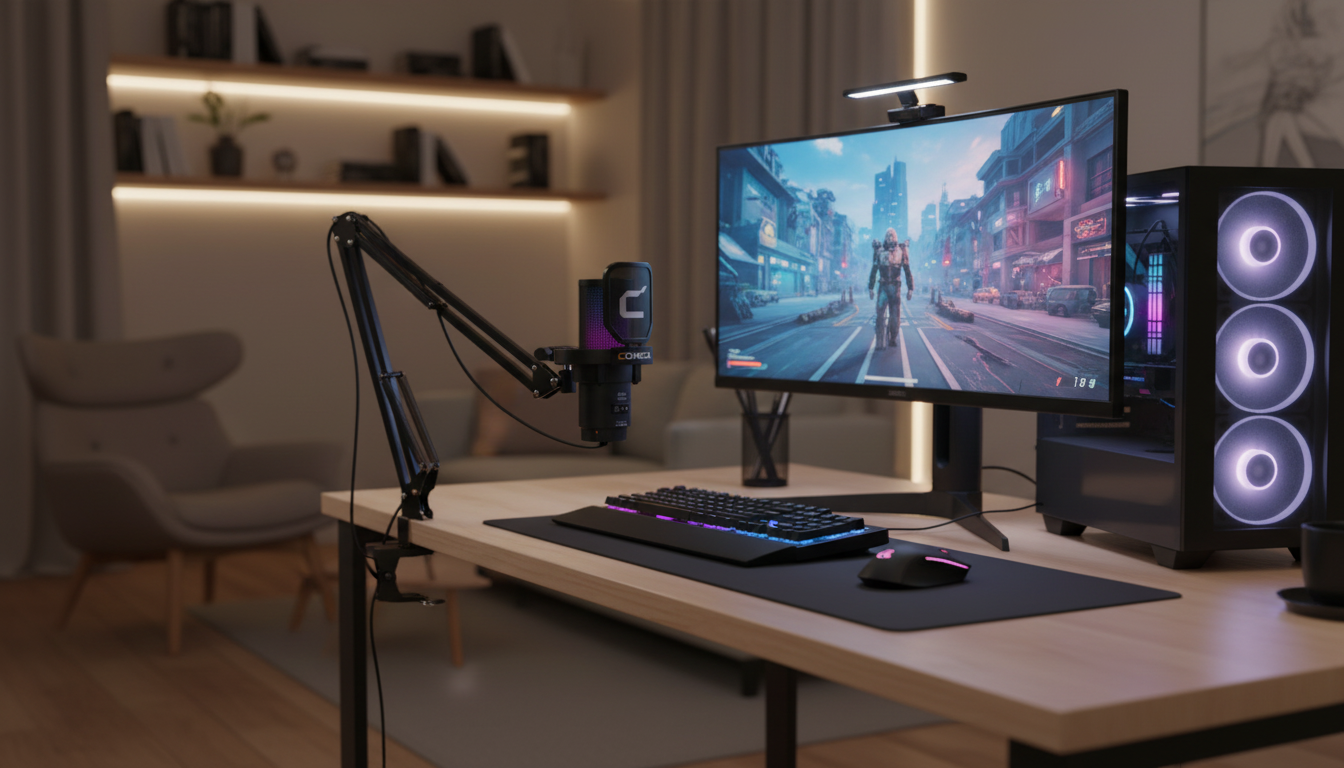
Clear voice can change the feel of a stream, a co-op session, or a late-night voice chat. A wireless RGB USB gaming microphone with noise cancellation and a boom arm is built to keep speech crisp while reducing background distractions, and to place the mic at the right distance without crowding the desk. The details that matter most are how the mic “hears” your voice, how stable the wireless connection stays, how easy the lighting is to control, and how quickly you can get consistent positioning session after session.

What This Microphone Setup Is Designed For

  • Gaming voice chat: more consistent speech volume and less room noise so teammates hear callouts clearly.
  • Streaming and content creation: boom-arm positioning helps keep the mic close while keeping the keyboard and clutter out of frame.
  • Study calls and remote meetings: quick USB use and noise reduction can improve clarity in untreated rooms.
  • Shared spaces: wireless convenience and background-noise reduction help when the environment isn’t quiet.

If the goal is “sound like you’re closer to the mic,” this category is built to deliver that without requiring an audio interface or a complicated setup.

Core Features That Affect Voice Quality

Spec sheets are helpful, but voice quality usually comes down to a few practical behaviors: how the mic handles noise, how focused the pickup is, and how easy it is to maintain a good distance and level.

  • Noise cancellation and noise handling: voice-forward tuning can reduce fan hum and distant chatter without making speech sound thin or watery.
  • Pickup behavior: a more focused pickup pattern tends to reduce keyboard and room reflections compared with wide pickup.
  • Mic distance and angle: best results usually come from 4–8 inches away, aimed slightly off-axis to reduce plosives.
  • Gain control: stable levels prevent distortion when excitement rises; a physical control beats digging through menus mid-match.
  • Monitoring options: if headphone monitoring is available, it helps prevent shouting and keeps levels consistent.

Quick Checklist for Cleaner Voice

Setup step Why it matters Fast tip
Place mic 4–8 inches from mouth Improves signal-to-noise ratio Move the mic closer before raising gain
Aim slightly to the side of the mouth Reduces plosives and harsh bursts Angle 20–45° off-axis
Lower keyboard impact noise Less thumping transmitted through desk Use boom arm; avoid resting mic on desk
Set gain for normal speaking Prevents clipping during loud moments Test with a loud sentence, then back off slightly
Control room noise Noise reduction works best with fewer sources Turn off a desk fan or point it away from the mic

Wireless + USB: What to Expect Day to Day

Wireless mics are about convenience, but day-to-day performance depends on small choices—where the receiver sits, how you manage charging, and how your apps handle input devices.

  • Wireless stability: place the receiver where it has a clean path to the mic when possible, and avoid flaky USB hubs that can introduce dropouts.
  • Latency considerations: most game chat tolerates minor delay, but hearing your own voice is more sensitive—use direct monitoring if the mic supports it.
  • Battery routines: charging between sessions is easier than discovering a low battery mid-stream.
  • USB compatibility: confirm it works with your platform and whether it’s plug-and-play or needs drivers.

If voice chat settings act up, platform help docs can save time: Discord Voice and Video Troubleshooting and Microsoft’s Windows audio fixes are solid starting points.

Boom Arm Benefits and How to Position It

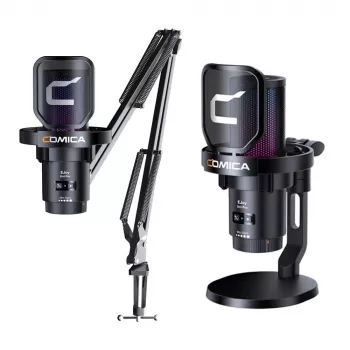
A boom arm isn’t just about aesthetics—it’s one of the easiest ways to improve consistency. When the mic stays close to your mouth, you can keep gain lower, which reduces room echo and background noise pickup.

  • Desk space: moving the mic off the desk reduces clutter and helps avoid vibration transfer.
  • Consistent sound: the arm makes it easier to keep the same distance every session.
  • Comfort: move the mic away instantly when not speaking—no face-level obstruction.
  • Placement tips: clamp to a stable surface, route cables cleanly, and keep joints snug so the mic doesn’t drift.
  • Vibration control: use a shock mount if included; if not, keep the arm from contacting monitor stands or keyboard trays.

RGB Lighting Without the Distractions

RGB can look great on camera and can tie a setup together, but the best lighting is lighting you can control quickly.

Setup Steps for Better Sound in Under 10 Minutes

For streaming setups, OBS Studio documentation is useful for confirming your mic device selection and monitoring levels.

Who This Type of Microphone Is Best For (and Who Should Skip It)

Price, Value, and What to Look for in the Box

In-stock picks to complete a clean desk setup

FAQ

Will noise cancellation remove keyboard sounds completely?

Not completely. Noise cancellation can reduce steady noise and some distant clicks, but loud mechanical switches close to the mic can still be picked up—move the mic closer, lower gain, and aim the mic away from the keyboard to improve results.

Does a boom arm actually improve audio quality?

Yes, indirectly. A boom arm helps you keep the mic closer at a lower gain, which usually makes your voice clearer while reducing desk vibrations and room noise pickup.

How should the mic be positioned for the clearest voice?

Keep it about 4–8 inches away, slightly off to the side (not directly in front of your mouth), and a bit below mouth level. A pop filter or foam windscreen helps, and keeping the wireless receiver close can improve connection stability.

Was this article helpful?

Yes No
Leave a comment
Top

Shopping cart

×