HomeBlogBlogUltra-Light Carbon Baitcaster: 4kg Drag, Magnetic Brake

Ultra-Light Carbon Baitcaster: 4kg Drag, Magnetic Brake

Ultra-Light Carbon Baitcaster: 4kg Drag, Magnetic Brake

Ultra-Light Casting Control Without the Hand Fatigue

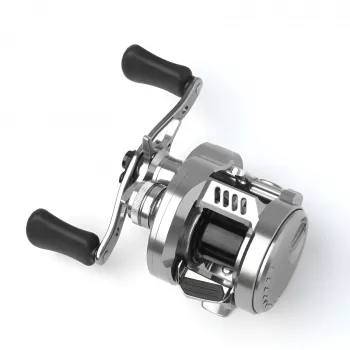
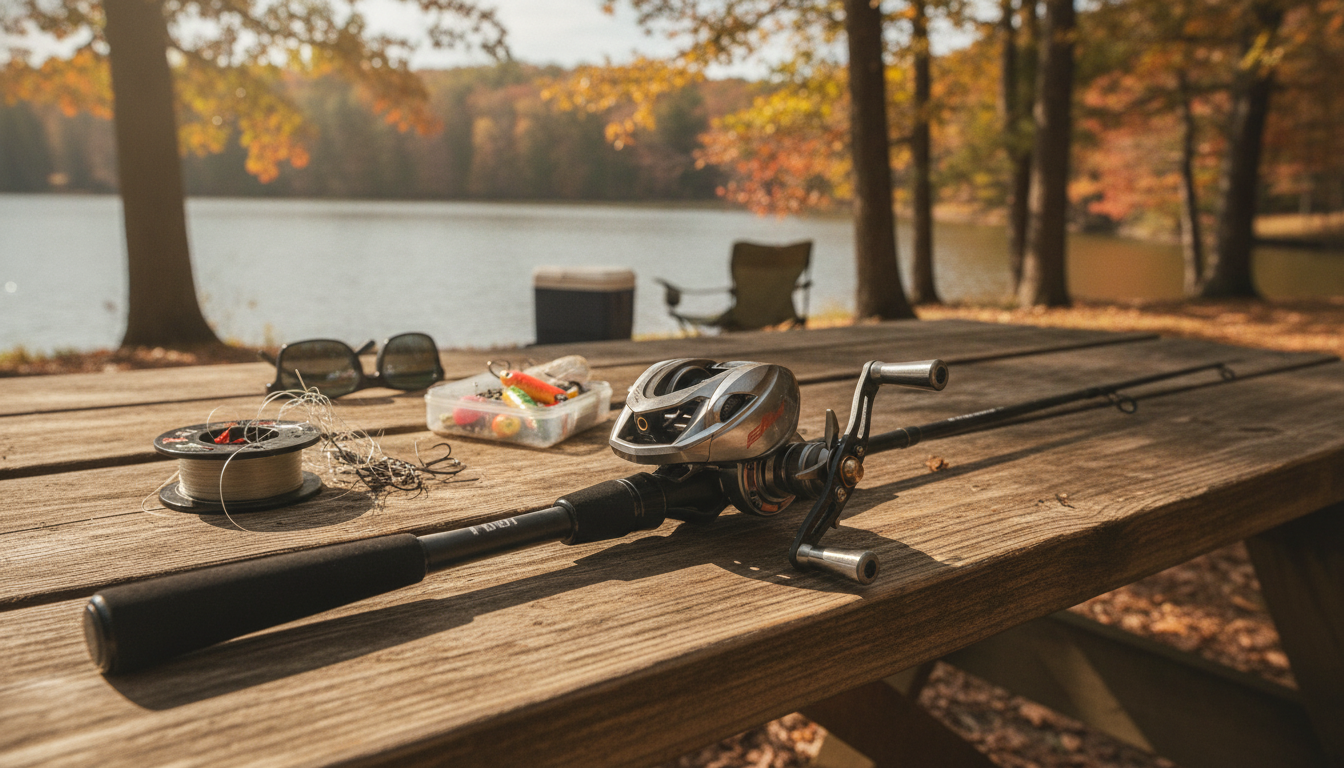
An ultra-light carbon baitcasting reel is all about making repeated casts feel effortless while keeping your spool under control. When you add a 4kg drag and a magnetic brake system, you get a reel that’s geared toward accurate presentations, fewer mid-cast surprises, and steady stopping power when a fish makes a quick run. Whether you’re working jigs along a weed edge for bass or making tight casts around docks for light inshore species, this style of reel helps you stay efficient, comfortable, and consistent from the first cast to the last.

What Makes This Reel Stand Out

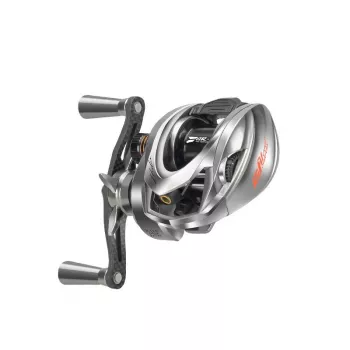
  • Ultra-light carbon build: Carbon helps keep overall weight down, which can reduce wrist and forearm fatigue during long sessions of fan casting.
  • 4kg drag for light-tackle balance: Plenty of resistance for common freshwater predators while still matching well with lighter line and smaller hooks.
  • Magnetic brake system: Adds spool resistance as needed to help reduce overruns—especially helpful when conditions aren’t perfect.
  • Compact, palm-friendly profile: A smaller, comfortable frame improves one-hand control and helps maintain a balanced feel on lighter rods.

Best Uses and Ideal Pairings

Where this reel shines

  • Bass and freshwater predators: Great for high-cast-count approaches—small swimbaits, spinnerbaits, compact jigs, and topwaters—where comfort and repeatability matter.
  • Light inshore scenarios: Useful for working small lures around structure, docks, and calmer edges where a controlled cast helps keep you out of trouble.

Rod and line pairings

  • Rod pairing: Medium-light to medium baitcasting rods suit lighter lure work, while a true medium is a solid “do-most-things” match for everyday versatility.
  • Line pairing: Braid offers sensitivity and clean hooksets, fluorocarbon adds stealth and abrasion resistance, and monofilament is a classic pick for topwater thanks to its forgiving stretch and buoyancy.

Understanding the 4kg Drag

A drag rating is the maximum resistance the reel can apply, but what matters most on the water is how smoothly that resistance is delivered. Smooth drag performance helps you keep pressure consistent during surges without suddenly popping a knot or tearing a small hook free.

  • Why 4kg is a practical target: It’s well matched to lighter line classes, giving you enough authority to steer fish while still protecting knots, leaders, and light-wire hooks.
  • Better hook retention up close: A properly set drag reduces pulled hooks on short strikes near the boat, where sudden pressure changes are common.
  • A simple starting point: Set your drag a bit lighter for treble-hook lures (cranks, topwaters) and a bit firmer for single-hook baits (jigs, plastics), then adjust based on cover and line strength.

For additional background on how line classes relate to real-world fishing setups, the International Game Fish Association (IGFA) is a reliable reference.

How the Magnetic Brake System Helps Casting

Magnetic braking uses magnets to apply controlled resistance to the spool, helping prevent it from spinning faster than line can leave the reel. This is especially useful when your lure slows down mid-flight—like when you cast into a breeze or use lighter baits that decelerate quickly.

  • Fewer overruns as conditions change: Wind gusts and lure changes can cause sudden spool-speed mismatches; magnetic braking helps smooth those transitions.
  • Friendly learning curve: Many anglers find magnetic systems easier to fine-tune than relying solely on mechanical tension and thumb pressure.
  • Dial-in method: Start with higher brake force for control, then reduce it gradually as your thumb timing improves and you want more distance.

If you want a refresher on baitcasting fundamentals, Take Me Fishing’s guide to using a baitcasting reel is a helpful walkthrough.

Quick Setup: Fewer Backlashes, Better Distance

A clean setup makes a bigger difference than chasing maximum specs. The goal is a controlled cast that finishes cleanly—no “fluffy” line at the end and no sudden overrun when the lure hits the water.

Baseline Casting Tune-Up (Starting Point)

Scenario Spool Tension Mag Brake Notes
First-time setup Moderate (no spool wiggle) High Prioritize control over distance
Casting into wind Slightly tighter Higher than normal Use more thumb at the end of the cast
Heavier lure / calm conditions Slightly looser Medium Reduce brake gradually to gain distance
Skipping under cover Moderate Medium-high Short, low trajectory; thumb discipline matters

Care and Maintenance for Long-Term Performance

Product Snapshot

In-Stock Picks

FAQ

Is a 4kg drag enough for bass and similar freshwater fish?

Yes—4kg drag is typically sufficient for bass and many freshwater predators when matched with appropriate line, rod power, and a correctly set drag. Smooth pressure and good technique matter more than chasing the highest drag number.

How should the magnetic brake be set to reduce backlashes?

Start with a higher brake setting and moderate spool tension, then make test casts and lower the brake incrementally until the cast stays controlled at the end. Increase brake again for wind or lighter lures, and use your thumb to feather the spool during flight and stop it before splashdown.

What line works best on an ultra-light baitcasting reel?

Braid is a common choice for sensitivity and easier casting, fluorocarbon works well for clear water and abrasion resistance, and monofilament is a strong option for topwater due to its stretch and buoyancy. Choose a line diameter that matches your lure weights, and avoid underfilling or overfilling the spool.

Was this article helpful?

Yes No
Leave a comment
Top

Shopping cart

×