HomeBlogBlog2-in-1 Auto Curling Iron & Straightener (Dual Voltage)

2-in-1 Auto Curling Iron & Straightener (Dual Voltage)

2-in-1 Auto Curling Iron & Straightener (Dual Voltage)

2 in 1 Auto Hair Curling Iron & Hair Straightener Dual Voltage

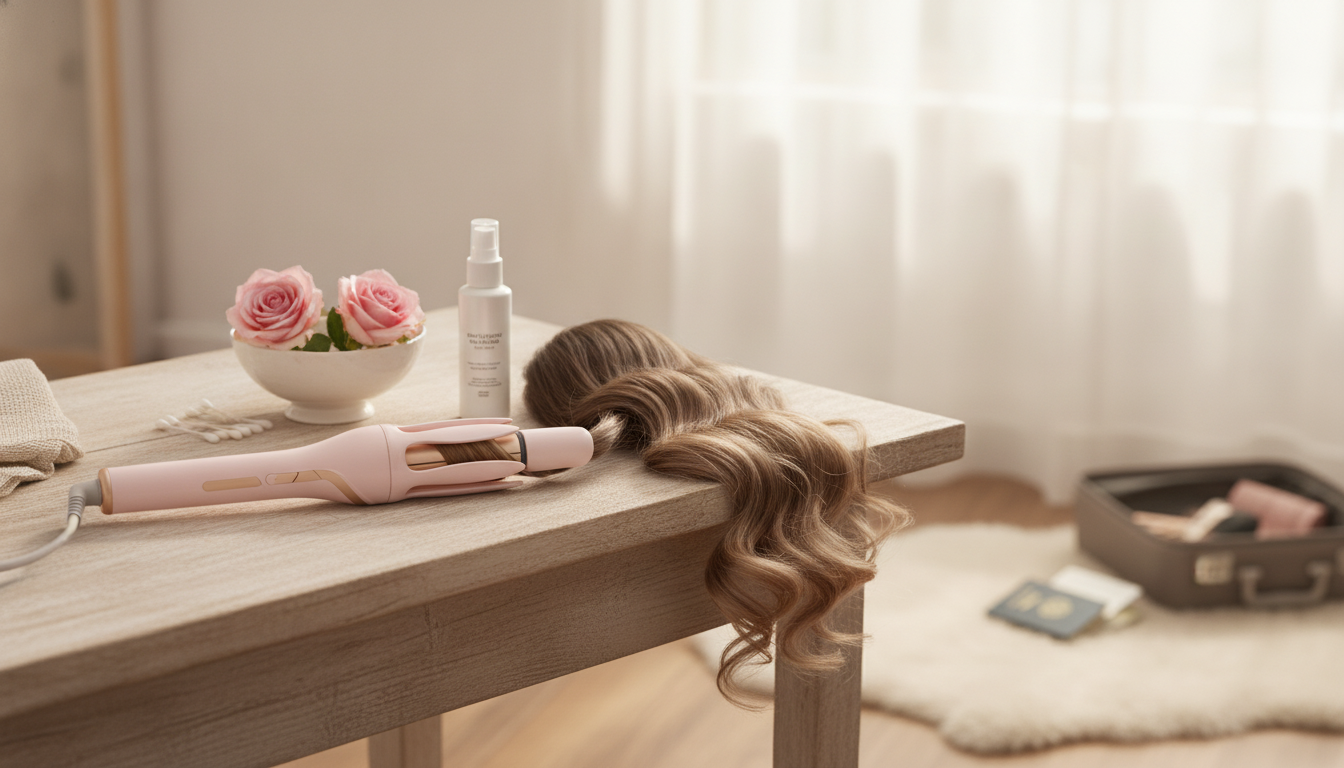
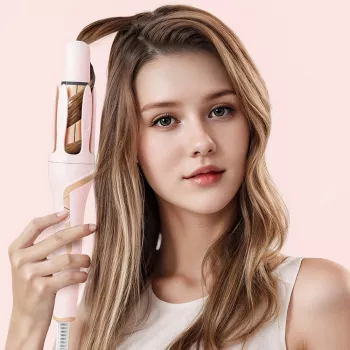
A single tool that can create smooth, straight finishes and bouncy curls can simplify daily styling and make packing for trips easier. This dual-voltage 2-in-1 auto styling tool is designed to switch between looks quickly while helping deliver consistent heat for more predictable results.

What this 2-in-1 styling tool is designed to do

  • Combines straightening and curling in one device to reduce the need for multiple hot tools.
  • Auto-curl function helps wrap hair more uniformly for quicker curl formation.
  • Straightening mode supports sleek looks, soft bends, and polished ends.
  • Dual voltage supports use in many regions with the right plug adapter (voltage compatibility still matters when traveling).

Key benefits for everyday styling and travel

  • Fewer tools on the counter: one device for weekday straightening and weekend curls.
  • Time savings: quick transitions between curl and straighten routines.
  • Packing-friendly: dual voltage can be a practical choice for travel, dorms, and shared bathrooms.
  • Versatility: works for multiple finishes—glossy straight, loose waves, or tighter curls depending on section size and technique.

How the auto-curling action typically works

Auto-curl tools are built to help guide hair into a consistent wrap, which can reduce the “uneven spiral” problem that happens when sections slip or overlap. While each design varies, the concept is similar: you feed a small section into the guide area, the tool draws/rotates hair into position, then heat shapes the curl before you release.

  • Hair is placed into the curl chamber/guide area, allowing the tool to rotate or draw hair in a controlled way.
  • Even sectioning improves results: smaller sections usually create tighter curls and more consistent heat exposure.
  • Curl direction changes (left/right or alternating) can create a more natural, tousled finish.
  • A brief cool-down after release helps curls set longer.

Straightening mode: getting smooth results without overdoing heat

Straightening is often more about technique than max temperature. Clean sectioning, steady tension, and fewer total passes can make hair look smoother while limiting unnecessary exposure.

  • Start with fully dry hair; damp hair can increase the risk of damage at high heat.
  • Use steady passes instead of repeated quick re-passes over the same section.
  • For frizz-prone hair, smaller sections and slower glide can improve smoothness.
  • For volume, keep the roots slightly lifted rather than pressing flat at the scalp.

Heat, hair type, and smarter temperature habits

Heat styling works best when temperature, section size, and speed are treated as a system. If curls drop quickly or straightening takes too long, it’s tempting to crank up heat—yet the same result can often come from smaller sections, steadier technique, and a heat protectant.

  • Fine or damaged hair often performs best at lower temperatures with fewer passes.
  • Medium to thick hair may need moderate heat, but section size and technique still matter.
  • Heat protectant helps reduce moisture loss and surface damage from hot tools.
  • Signs to lower heat: sizzling sound, strong burnt smell, excessive smoke, or brittle ends after styling.

Quick guide to matching technique with results

Feature/Choice What it changes Best for
Smaller sections More even heating and tighter curl shape Defined curls; hard-to-curl hair
Larger sections Looser wave pattern; less definition Beachy waves; quicker styling
Slower pass (straightening) More smoothing per pass Frizz control; coarse hair
Lower heat + more patience Less stress on hair Fine, color-treated, or fragile ends

Dual voltage essentials for trips and international use

Dual voltage is a practical feature for travelers, but it’s still important to confirm what your tool supports before plugging in abroad. Many destinations use 220–240V outlets, while the U.S. commonly uses 110–120V.

For broader heat-styling and safety guidance, see the American Academy of Dermatology Association’s heat damage prevention tips and general burn/fire safety information from the U.S. Consumer Product Safety Commission.

Step-by-step styling routine for consistent curls and smooth finishes

1) Prep for predictability

2) Curling routine (auto-curl)

3) Straightening routine

4) Finish and refresh

Safety, comfort, and long-term tool care

When a 2-in-1 tool makes the most sense (and when it doesn’t)

In-stock picks to build your at-home kit

FAQ

Is a dual-voltage hair tool enough for international travel?

Usually, yes—if the tool truly supports both voltage ranges and you use the correct plug adapter for the country you’re visiting. A plug adapter changes the plug shape, while a voltage converter changes voltage; most dual-voltage tools only need the adapter, but it’s still important to verify the label/specs before use.

How can curls last longer with an auto curling tool?

Use smaller sections, release each curl gently, and let it cool before brushing or loosening it. Alternating curl direction and finishing with a light hold product can also help, while heavy oils before styling may make curls drop faster.

What temperature should be used to reduce heat damage?

Fine or damaged hair typically does best at lower heat with fewer passes, while thicker or coarser hair may need moderate heat paired with smaller sections and steady technique. Heat protectant, minimizing repeat passes, and lowering temperature if you notice burning smells or excessive smoke can reduce unnecessary stress.

Was this article helpful?

Yes No
Leave a comment
Top

Shopping cart

×